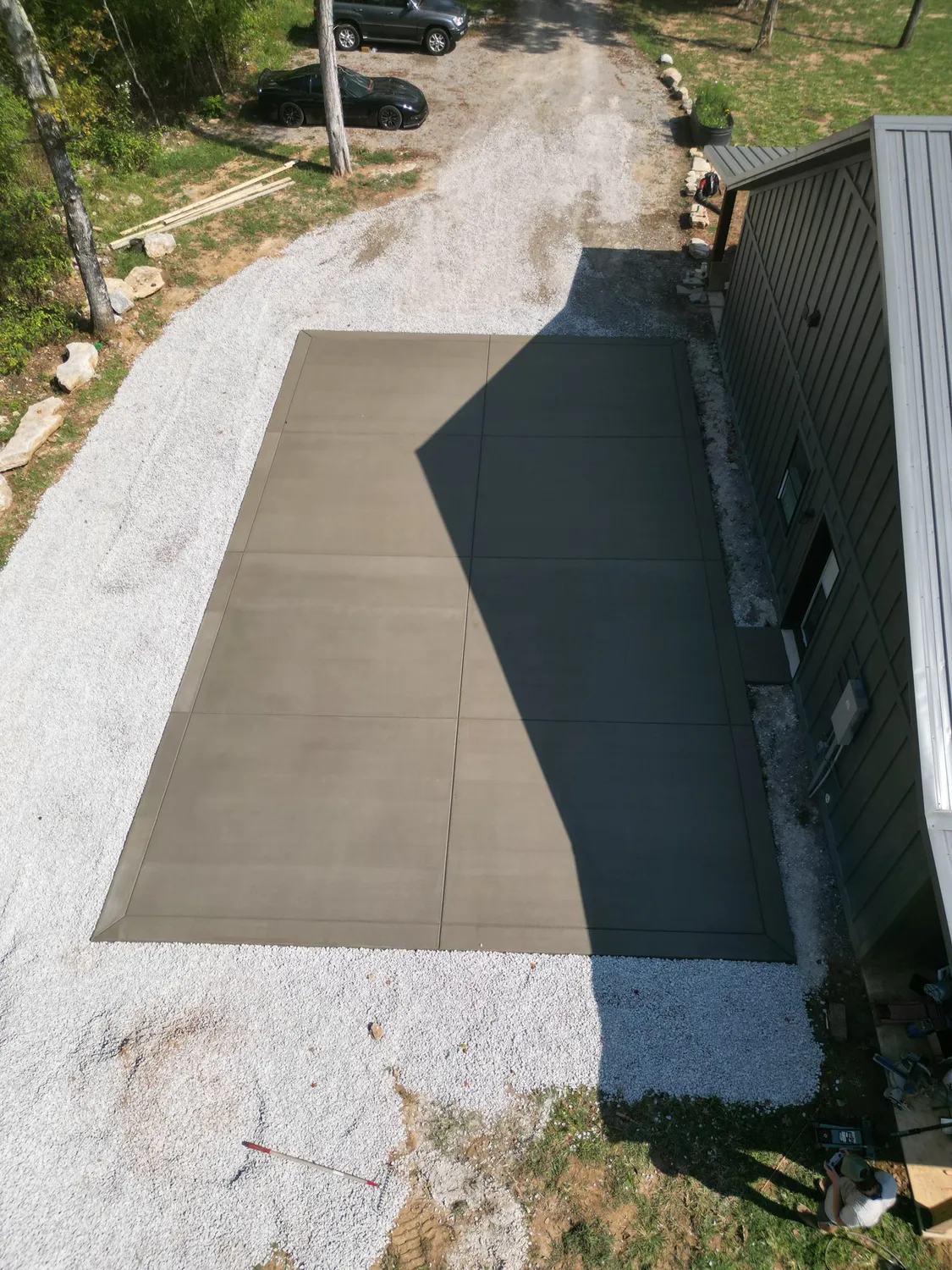
During a professional concrete installation, you’ll see detailed planning and site preparation to guarantee a stable foundation, with proper soil compaction and drainage systems in place. As the concrete is poured, expect skilled operators to use techniques like screeding, troweling, and floating for a smooth surface. Curing involves moisture retention and temperature control, with sealing afterward. Clear communication and awareness of potential challenges help secure quality, durability, and a successful project—all essential details to understand for the best results.
Key Takeaways
- Detailed planning and site preparation ensure a stable, durable foundation tailored to your needs.
- The concrete is poured, leveled, and finished by skilled professionals for a smooth, high-quality surface.
- Proper curing and sealing are crucial for strength, durability, and resistance to weather or surface damage.
- Expect potential weather-related delays and ongoing communication with contractors throughout the process.
- Regular maintenance after installation helps preserve the surface’s appearance and longevity.
What Are the First Steps in Planning Your Concrete Project?
Before beginning your concrete project, thorough planning is essential to guarantee a successful outcome. Start with detailed design considerations, such as surface type, load capacity, and aesthetic preferences, ensuring they align with your intended use.
Simultaneously, develop an all-encompassing budget plan that accounts for materials, labor, permits, and potential contingencies. Accurate budget planning prevents overspending and allows you to prioritize critical elements.
Document your specifications clearly, and consult with professionals to refine your design and cost estimates. Considering quality craftsmanship and sustainable practices from the outset can enhance the longevity and environmental friendliness of your installation.
Proper planning ensures the project proceeds smoothly, minimizes surprises, and results in a durable, functional concrete installation tailored to your needs.
How Does Site Preparation Impact the Installation Process?
Effective site preparation is critical to the success of your concrete installation, as it directly influences the durability, stability, and overall quality of the finished surface. Proper soil compaction ensures a solid foundation, minimizing future settlement and cracking risks.
Additionally, thorough drainage planning prevents water accumulation, which can weaken the soil and compromise the concrete’s integrity. Neglecting these aspects can lead to uneven surfaces, increased maintenance, and reduced lifespan.
Precise soil compaction and efficient drainage solutions create a stable, well-prepared base, facilitating a smoother installation process and ensuring long-term performance of your concrete surface.
What Happens During the Concrete Pouring Stage?
During the concrete pouring stage, your contractor begins by carefully transferring the mixed concrete from the truck to the designated area using chutes or pumps, ensuring minimal segregation and uniform distribution.
Proper concrete mixing is essential to achieve a consistent consistency that facilitates easy placement and maximum strength.
As the concrete is poured, skilled operators employ specific finishing techniques such as troweling, screeding, and floating to create a smooth, level surface.
These techniques help eliminate air pockets, control surface texture, and prepare the surface for curing.
Precise coordination during pouring and finishing guarantees the structural integrity and aesthetic quality of your concrete installation.
How Is the Concrete Cured and What Care Is Needed?
Proper curing is essential to guarantee your concrete achieves its designed strength and durability; this process involves maintaining ideal moisture, temperature, and time conditions.
Effective curing methods include continuous water curing, covering with wet burlap, or using curing compounds that form a moisture-retaining film.
During this period, avoid premature drying or exposure to rapid temperature fluctuations.
Once initial curing is complete, concrete sealing helps protect against moisture loss and surface damage, prolonging durability.
Proper care also involves minimizing foot or vehicle traffic until the concrete reaches its full strength, ensuring the curing process fully develops the material’s structural integrity and longevity.
What Factors Influence the Overall Timeline of Installation?
Several key factors directly impact the overall timeline of a concrete installation project. Budget considerations influence material selection, which affects curing times and delivery schedules. Selecting high-quality, readily available materials can reduce delays, while custom or specialty options may extend project duration.
Labor availability and weather conditions also play critical roles; adverse weather can halt work, and workforce scheduling can cause bottlenecks. Proper planning around these elements guarantees timely completion.
Ultimately, understanding how budget constraints and material choices influence logistics allows you to set realistic expectations and coordinate effectively with your contractor for a smooth installation process.
How Do Contractors Ensure Quality and Precision?
To guarantee quality and precision, contractors rely on meticulous planning, advanced techniques, and strict adherence to industry standards throughout the concrete installation process.
They implement rigorous quality assurance protocols, including material testing and regular site inspections, to assure specifications are met.
Precision techniques such as laser-guided leveling, formwork calibration, and controlled vibration optimize surface smoothness and structural integrity.
Contractors also utilize detailed measurement tools and precise reinforcement placement to maintain alignment and load capacity.
This disciplined approach minimizes errors, enhances durability, and guarantees the finished project adheres to the highest standards of quality and exactness.
What Common Challenges Can Arise During Installation?
During concrete installation, unforeseen challenges can compromise project timelines, structural integrity, and overall quality. Unexpected delays often stem from weather conditions, equipment malfunctions, or onsite errors, disrupting scheduling.
Material shortages, such as insufficient cement, aggregates, or admixtures, can halt progress if not anticipated or managed properly. These issues may lead to rushed work, compromised curing, or compromised finishes.
Precise coordination and contingency planning are essential to mitigate these risks. Addressing potential supply chain disruptions early and adjusting project timelines accordingly helps maintain quality standards and prevents costly rework or delays.
How Do You Communicate and Coordinate With Your Contractor?
Effective communication and coordination with your contractor hinge on establishing clear lines of dialogue from the outset. Regular updates ensure you stay informed about project progress and potential issues.
Providing precise client feedback helps clarify expectations, especially regarding material selection, surface finishes, and timing. Use detailed specifications and ask questions to confirm understanding.
Document decisions and changes in writing to maintain accountability. Scheduling periodic check-ins fosters transparency, enabling you to address concerns promptly.
Clear communication minimizes misunderstandings, streamlines decision-making, and guarantees the project adheres to your specifications, ultimately leading to a successful concrete installation.
What Post-Installation Steps and Maintenance Should You Expect?
After the concrete has been installed and cured, implementing proper post-installation steps and maintenance is essential to guarantee its longevity and performance. Begin with inspecting the surface for proper finishing techniques, ensuring smoothness and correct texture.
Next, follow sealing procedures promptly—applying a high-quality sealant to protect against moisture, chemicals, and wear.
Regular maintenance includes cleaning debris, inspecting for cracks, and resealing every few years. Avoid harsh chemicals or abrasive tools that could damage the surface.
Consistent upkeep preserves the integrity of the concrete, prolongs its lifespan, and maintains its aesthetic appeal. Proper post-installation care ensures your concrete remains durable and functional over time.
Conclusion
Understanding the detailed steps of a professional concrete installation helps you prepare effectively and set realistic expectations. From initial planning, site preparation, and precise pouring to curing and quality assurance, each phase demands careful attention to technical specifications. Recognizing potential challenges and maintaining clear communication with your contractor guarantees a smooth process. Proper post-installation maintenance preserves the integrity and longevity of your concrete surface, ultimately delivering a durable, high-quality finish that meets your project’s standards. To learn more, contact Providence Concrete by calling us today at (615) 956-9461 or visit us online at [Providence Concrete](https://providenceconcretetn.com/).