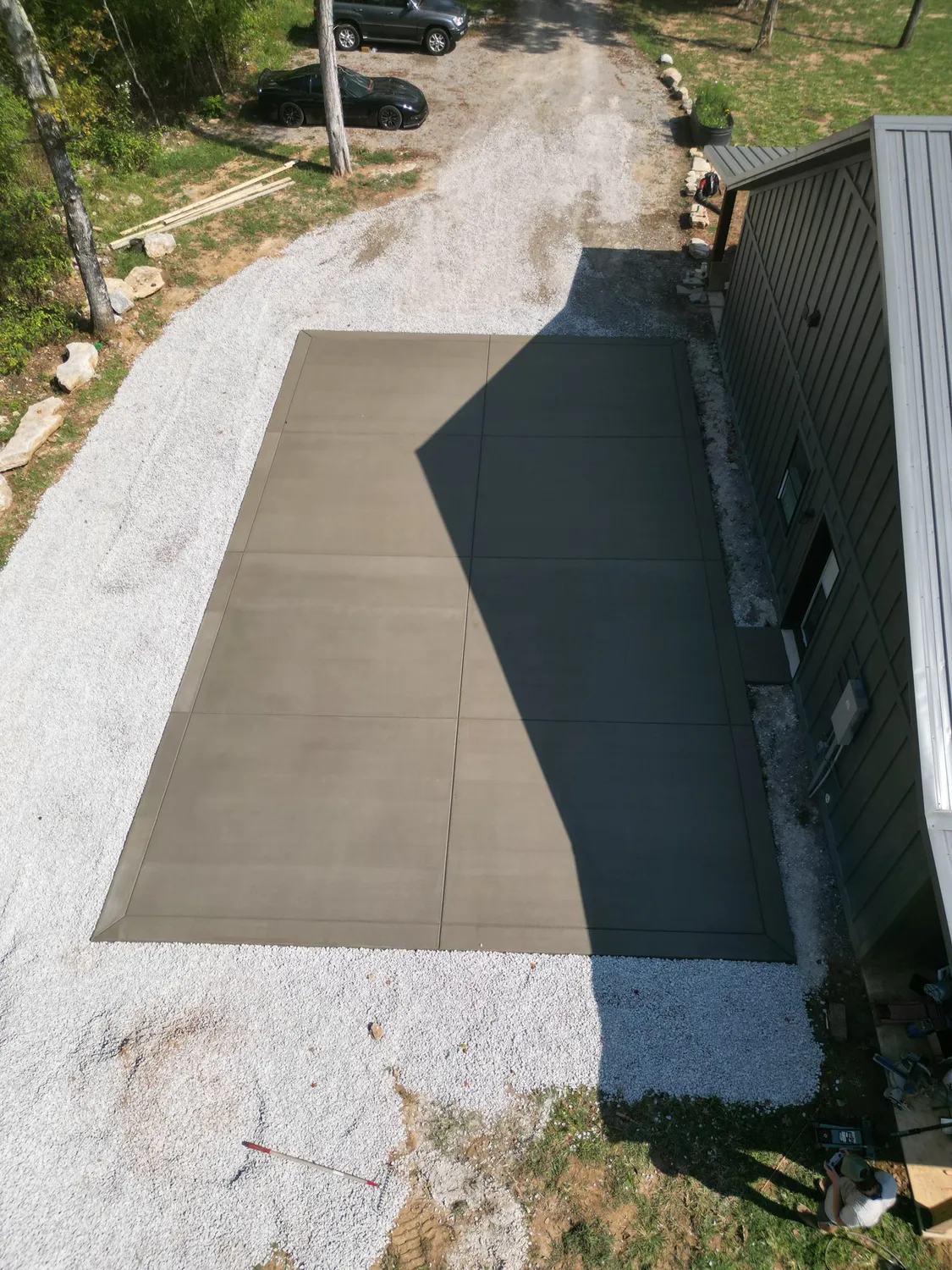
Before starting commercial concrete projects, you need to select the right concrete type based on structural loads and environmental conditions, ensuring durability and strength. Proper planning involves evaluating aesthetic and sustainability goals, preparing the site correctly, and hiring experienced contractors who follow industry standards. Effective scheduling and budget management prevent delays and cost overruns. Understanding these key factors can considerably impact your project’s success, and exploring further offers valuable insights into achieving long-lasting results.
Key Takeaways
- Assess structural and environmental requirements to select the appropriate concrete type for durability and load capacity.
- Plan project scope, aesthetic goals, and sustainability practices to optimize long-term performance and eco-friendliness.
- Ensure thorough site preparation, including soil stability, excavation, and reinforcement, to prevent future issues.
- Hire experienced contractors with proven expertise in proper mixing, placement, and finishing techniques.
- Develop detailed schedules and budgets, incorporating contingencies for delays, material costs, and unforeseen challenges.
How to Choose the Right Type of Concrete for Your Commercial Project
How do you determine the most suitable concrete type for your commercial project? Start by evaluating the structural requirements, load-bearing capacity, and environmental conditions.
Selecting the correct concrete mix is vital; for instance, high-strength mixes are essential for heavy loads, while durability mixes suit harsh environments.
Proper curing techniques greatly influence concrete performance, preventing cracks and ensuring strength development.
Consider factors like setting time, workability, and exposure conditions to refine your choice.
Consulting with professionals helps optimize material selection and curing methods, ensuring long-term stability.
Precise selection of concrete type, combined with effective curing, guarantees your project’s structural integrity and longevity.
Key Factors to Consider Before Planning Your Concrete Installation
Before initiating your concrete installation, it’s essential to evaluate several key factors that will influence the project’s success. Consider concrete aesthetics, guaranteeing the finish aligns with your building’s design and functional requirements.
Additionally, assess the environmental impact by selecting sustainable materials and efficient placement methods to reduce carbon footprint. Properly analyzing these factors helps optimize durability, appearance, and environmental responsibility.
Addressing aesthetic preferences and environmental considerations early ensures your project meets both visual standards and sustainability goals, ultimately enhancing long-term performance and compliance with green building initiatives.
Incorporating eco-friendly practices can also contribute to cost savings and a more sustainable project overall. Accurate planning based on these factors minimizes costly adjustments during construction.
Understanding the Role of Proper Site Preparation and Foundation Work
Proper site preparation and foundation work form the backbone of a durable and stable concrete structure. Ensuring soil stability is critical; unstable or poorly compacted soil can lead to settling or cracking, compromising structural integrity.
Adequate excavation, grading, and reinforcement are essential steps to create a solid base. Additionally, consider the environmental impact, such as minimizing disturbance to surrounding ecosystems and managing runoff.
Proper foundation work reduces long-term maintenance costs and prevents future issues. By prioritizing precise site prep and foundation techniques, you set the stage for a resilient, high-quality concrete installation that meets safety standards and environmental considerations.
Why Quality Workmanship and Experienced Contractors Matter
The success of a concrete project heavily depends on the skill and precision of the contractors executing the work. High workmanship quality guarantees proper mixing, placement, and finishing, minimizing defects and ensuring durability.
Contractor expertise directly impacts adherence to specifications, code compliance, and structural integrity. Experienced contractors possess critical knowledge of best practices, materials, and environmental considerations, reducing risks of errors that could compromise the project.
By choosing skilled professionals, you guarantee that your concrete work meets industry standards, extends lifespan, and maintains safety.
Ultimately, investing in qualified contractors with proven expertise results in a reliable, long-lasting foundation for your commercial project.
The Importance of Project Timeline and Scheduling in Concrete Projects
Effective scheduling and strict adherence to project timelines are critical for the success of concrete projects, as delays can lead to compromised material performance and increased costs.
Construction delays often result from scheduling conflicts or unforeseen issues, disrupting workflow and extending project duration.
Precise planning minimizes the risk of scheduling conflicts, guaranteeing that each phase proceeds without interruption.
Timely coordination between contractors and suppliers is essential to prevent idle periods and material degradation.
Maintaining an accurate schedule allows you to anticipate potential delays, adapt quickly, and ensure project completion meets quality standards and deadlines, ultimately optimizing project efficiency and cost management.
Cost Considerations: Budgeting for Materials, Labor, and Unexpected Expenses
Accurate budgeting forms the backbone of successful concrete projects, encompassing costs for materials, labor, and unforeseen expenses. Conducting a detailed cost analysis helps identify potential variances and guarantees sufficient allocation for each component.
Material sourcing directly impacts overall costs; sourcing high-quality materials at competitive prices minimizes waste and reduces expenses.
Labor costs should be precisely estimated, considering project scope and labor rates.
Unexpected expenses, such as delays or material price fluctuations, must be budgeted for contingencies.
How to Ensure Long-Term Durability and Maintenance for Commercial Concrete
Ensuring long-term durability and ease of maintenance for commercial concrete requires implementing proper design, material selection, and protective strategies from the outset. Surface sealing is essential, as it prevents moisture infiltration and minimizes surface wear, extending concrete lifespan.
Regular crack repair is critical to address early signs of structural movement, preventing further deterioration. Use high-quality sealants compatible with your concrete type, and schedule routine inspections for early crack detection.
Proper joint design and reinforcement also mitigate stress. By integrating these measures—surface sealing, crack repair, and strategic planning—you’ll enhance the concrete’s resilience, reduce maintenance costs, and ensure the longevity of your commercial structure.
Conclusion
Selecting the appropriate concrete type, ensuring thorough site preparation, and partnering with experienced contractors are critical for your project’s success. Proper planning, accurate budgeting, and attention to long-term durability will optimize performance and minimize future costs. To learn more, contact Providence Concrete by calling us today at (615) 956-9461 or visit us online at [Providence Concrete](https://providenceconcretetn.com/). By understanding these key factors, you can confidently execute your commercial concrete project, ensuring structural integrity and longevity. Prioritize quality and precision at every stage to achieve the most durable, cost-effective results for your business.