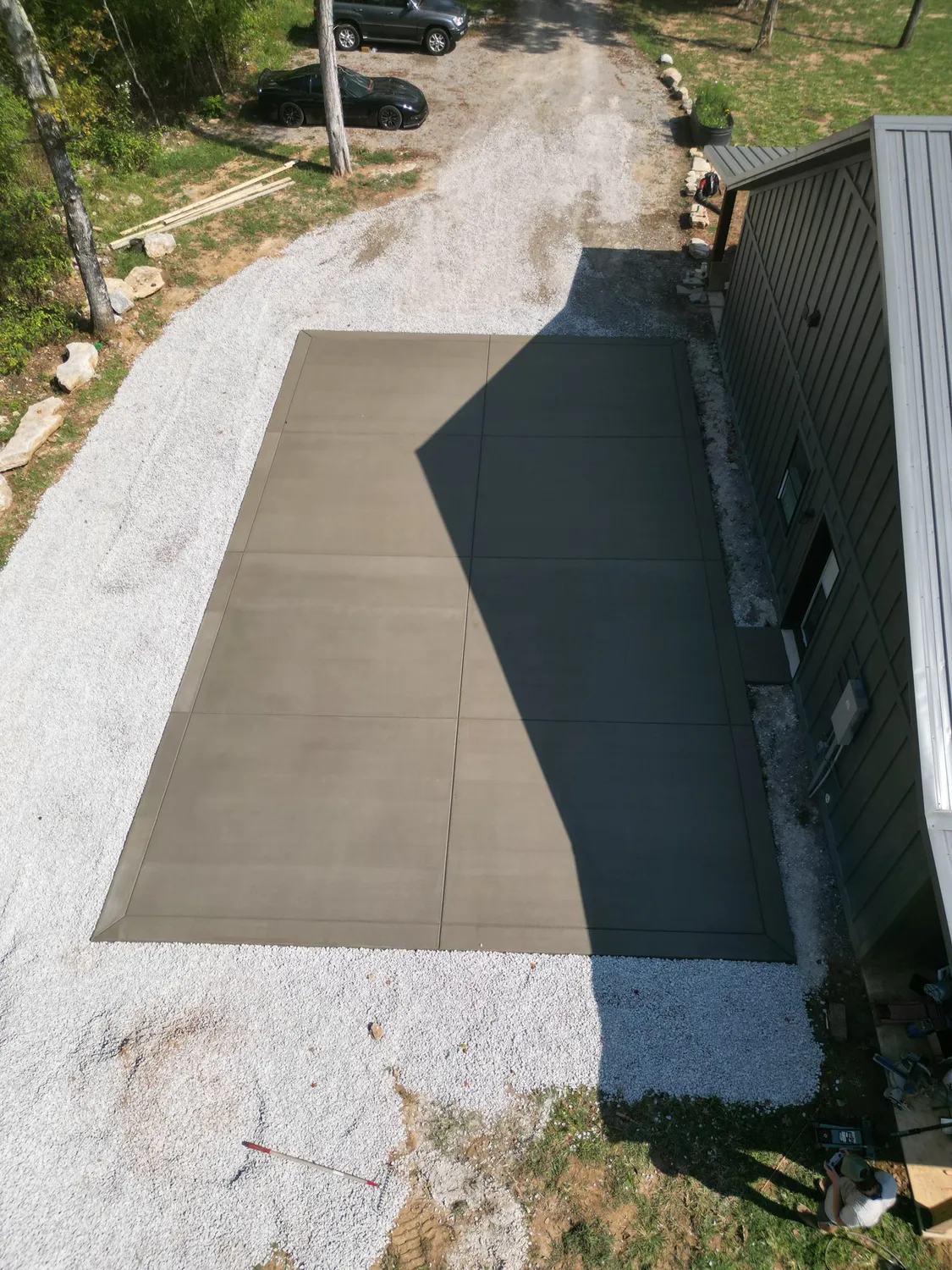
To prevent cracks in your concrete driveway and patio, guarantee proper surface preparation by cleaning and roughening the substrate and using high-quality, flexible mixes with additives. Control water drainage to reduce hydrostatic pressure and avoid freeze-thaw damage. During installation, monitor temperature and curing timing carefully, and apply sealants uniformly. Regular maintenance and early repairs keep your surfaces resilient. Continuing with these steps provides essential tips to maintain long-lasting, crack-free concrete.
Key Takeaways
- Ensure proper surface preparation and use appropriate curing techniques immediately after pouring.
- Select high-quality, flexible concrete mixes with additives like fibers for enhanced crack resistance.
- Implement effective drainage solutions to prevent water pooling and reduce freeze-thaw damage.
- Control installation conditions by avoiding extreme weather and preventing thermal stress during pouring.
- Conduct regular inspections and maintenance to identify and repair cracks early, preventing further damage.
Understand What Causes Cracks in Concrete Driveways and Patios
Understanding the primary causes of cracks in concrete driveways and patios is essential for effective prevention. Structural stress, improper curing, and soil movement compromise concrete aesthetics and lead to cracking. A local concrete contractor can help assess these issues and recommend appropriate solutions. Freeze-thaw cycles exert pressure, causing surface fissures, while inadequate reinforcement weakens the structure, making crack repair techniques necessary. Excessive load or weight distribution issues also contribute to cracking. Recognizing these factors helps you implement targeted prevention strategies, reducing the need for extensive crack repair.
Prepare Your Surface Properly Before Pouring or Repairing
Proper surface preparation is the foundation of a durable concrete driveway or patio. Guarantee the existing surface is clean, free of debris, and properly roughened to promote adhesion. Remove loose material and consider substrate moisture levels, as excess moisture can affect curing techniques.
Properly prepared surfaces minimize voids and weak points, reducing crack potential. Use appropriate curing techniques immediately after pouring to control moisture loss, which enhances strength and durability.
Precise surface preparation and effective curing techniques create a strong bond, reduce stress concentrations, and prevent future cracking. This ensures your concrete withstands environmental stresses and heavy loads over time.
Use the Right Materials for Durability and Flexibility
Selecting the appropriate materials is essential for guaranteeing both durability and flexibility in your concrete work. Prioritize material compatibility to prevent adverse chemical reactions that weaken the structure.
Use high-quality, flexible concrete mixes designed for crack resistance, which enhance flexibility without sacrificing strength. Incorporate additives like rubber or polymer fibers to improve flexibility enhancement, allowing the concrete to accommodate ground movement.
Avoid outdated or incompatible materials that can cause cracking over time. Precise material selection ensures your driveway or patio withstands environmental stresses, minimizes cracking, and maintains structural integrity.
Properly chosen materials form the foundation of a resilient, long-lasting concrete surface.
Incorporate Proper Drainage to Prevent Water Damage
Water management is critical to preventing damage in your concrete driveway and patio. Inadequate drainage allows water to accumulate, increasing the risk of cracking and structural deterioration.
To optimize drainage, implement effective landscaping drainage solutions that direct runoff away from the surface.
Regular gutter management prevents overflow and ensures water flows into designated drainage areas, reducing pooling.
Proper grading of the surface directs water toward drainage channels, minimizing saturation.
Incorporating these elements reduces hydrostatic pressure and prevents freeze-thaw damage.
Precise landscaping drainage and diligent gutter management are essential for maintaining structural integrity and prolonging the lifespan of your concrete surfaces.
Control Temperature and Timing During Installation and Repairs
Controlling temperature and timing during installation and repairs is essential to ensuring the quality and longevity of your concrete surfaces. Temperature regulation prevents premature curing or thermal stress that can cause cracks.
Maintain consistent ambient and concrete temperatures to avoid rapid temperature fluctuations. Timing coordination involves scheduling pours during the most suitable conditions—avoiding extreme heat or cold—and ensuring proper curing periods.
Properly timed operations allow concrete to attain desired strength uniformly. By precisely managing temperature and timing, you reduce the risk of thermal cracking and structural weaknesses.
This results in a durable, crack-resistant driveway or patio that withstands environmental stresses over time.
Apply Sealants and Protective Coatings Effectively
Applying sealants and protective coatings correctly is essential for safeguarding your concrete surfaces against moisture penetration, chemical damage, and surface wear. Proper surface preparation, including cleaning and removing any debris, guarantees maximum adhesion.
Before sealant application, verify that the surface is dry, free of oil or grease, and at the correct temperature as specified by the manufacturer. Use consistent, even strokes during application, avoiding oversaturation or missed spots.
Allow the sealant to cure fully according to the recommended timeframe. Precise surface preparation combined with meticulous sealant application maximizes protection, prolongs surface integrity, and reduces the risk of future cracking or deterioration.
Maintain Your Concrete Regularly to Catch Problems Early
Regular maintenance of your concrete surfaces is essential for identifying early signs of damage before they develop into significant problems. Regular inspections help you detect cracks, spalling, or surface deterioration that can compromise concrete aesthetics and decorative finishes.
Prompt removal of debris and dirt prevents surface staining and preserves the visual appeal. Applying appropriate cleaning methods maintains the concrete’s integrity and prolongs its lifespan.
Addressing minor issues early ensures that cracks don’t expand, preserving both functionality and decorative elements.
Consistent maintenance allows you to catch problems before costly repairs, guaranteeing your driveway and patio retain their structural and aesthetic quality over time.
Avoid Common Mistakes That Lead to Cracks
Many common mistakes during the installation and curing process can considerably increase the risk of cracking in your concrete driveway and patio. Failing to properly prepare the subgrade can cause uneven settling, leading to cracks.
Overworking the concrete during finishing, especially with decorative finishes, may introduce microfractures. Neglecting adequate curing time weakens the concrete’s strength, making it more susceptible to cracking under stress.
Additionally, neglecting timely pothole repair can exacerbate structural issues, spreading cracks further.
Avoid these pitfalls by ensuring proper subgrade compaction, careful finishing techniques, sufficient curing, and prompt pothole repairs, *therefore* preserving the integrity of your concrete surface.
Conclusion
By understanding the causes of cracks and implementing proper preparation, material selection, drainage, and maintenance, you can greatly extend the lifespan of your concrete driveway and patio. Ensuring correct installation techniques and timely repairs will minimize stress and water infiltration, reducing crack formation. Regular inspections and protective coatings are essential for early problem detection. For expert assistance and to learn more about preventing cracks, contact Providence Concrete today at (615) 956-9461 or visit us online at [Providence Concrete](https://providenceconcretetn.com/). Adhering to these technical practices will optimize durability, preserve structural integrity, and help prevent costly repairs over the long term.