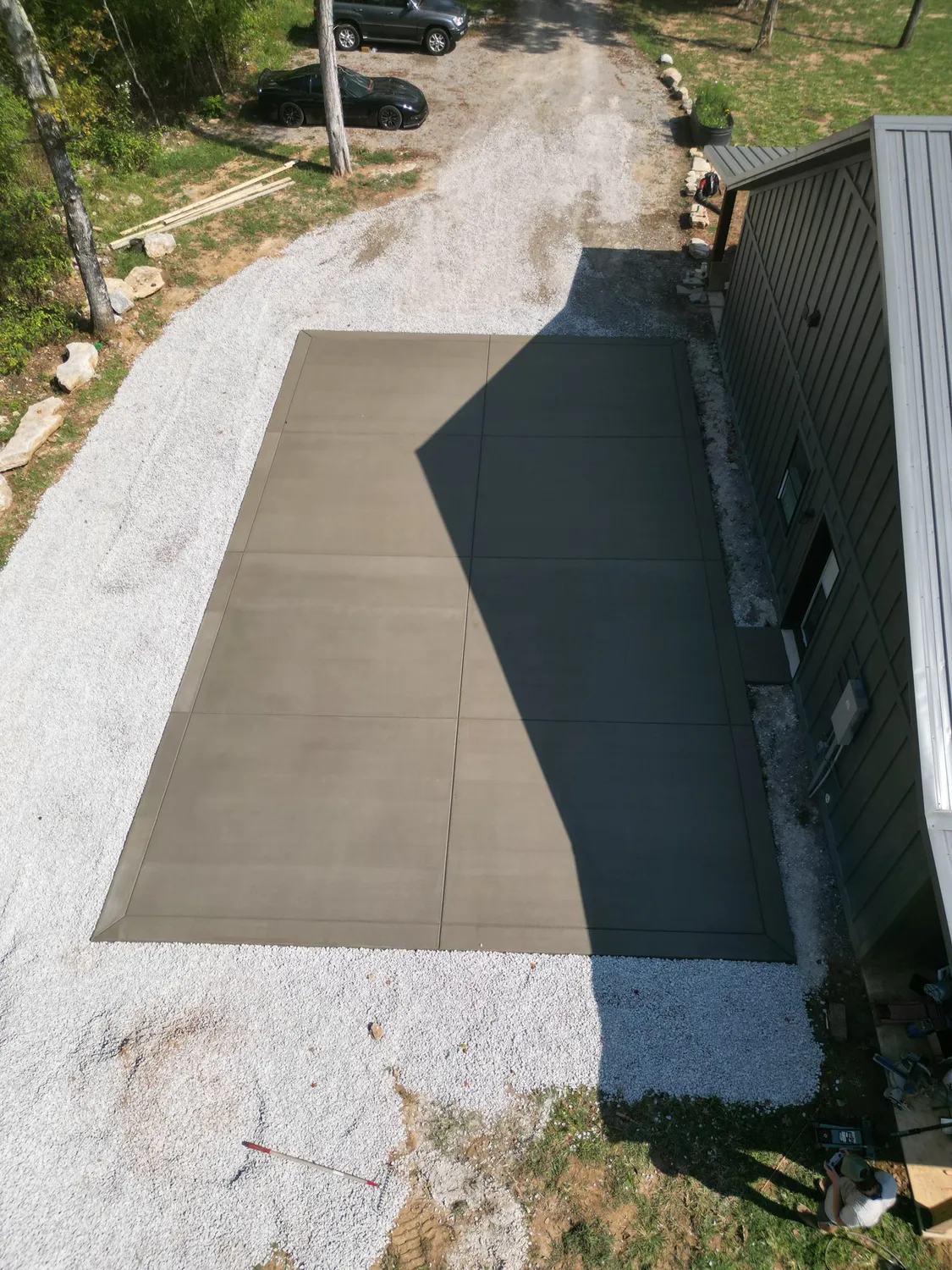
To guarantee a stable concrete foundation, you must understand the importance of proper soil preparation, material selection, and correct installation steps. It is crucial to choose the right foundation type for your soil and building load, properly excavate, and reinforce the concrete with steel. Address moisture conditions to prevent cracking and settlement, and conduct regular inspections for early signs of issues. By following these guidelines, you’ll build a durable base—continue exploring for detailed insights.
Key Takeaways
- Proper soil preparation, including compaction and moisture control, is essential for foundation stability and longevity.
- Selecting the right foundation type depends on soil conditions and building load requirements.
- Accurate layout, excavation, reinforcement, and curing are critical steps in the installation process.
- Addressing drainage and moisture issues prevents foundation damage like cracking and settlement.
- Regular inspections and maintenance help detect early signs of problems and ensure long-term stability.
Understanding Different Types of Concrete Foundations
Have you ever wondered what types of concrete foundations are available for different construction needs? Understanding the options starts with examining foundation materials and soil preparation. Concrete foundations vary from slab-on-grade to pier and beam systems, each suited to specific soil conditions and building loads. Proper soil preparation is essential to guarantee stability, involving compaction and moisture control to prevent shifting or cracking. The quality craftsmanship of installation can significantly impact the longevity and performance of the foundation. The choice of foundation depends on factors like soil stability, load-bearing capacity, and environmental conditions. Selecting the correct type and preparing the soil appropriately assures a durable, stable base for your structure, minimizing future issues and maximizing longevity.
Key Factors to Consider Before Starting Your Foundation
Before you begin pouring your concrete foundation, it’s crucial to assess several key factors that directly influence the stability and durability of your structure.
Soil preparation is critical; verify the ground is properly compacted and free of organic matter, water, and loose debris to prevent settlement issues.
Material selection must meet structural requirements, considering strength, moisture resistance, and compatibility with environmental conditions.
Confirm soil bearing capacity and drainage conditions to avoid future foundation movement.
Proper evaluation of these factors ensures a solid base, reduces risk of structural failure, and promotes long-term stability.
Addressing soil preparation and material selection beforehand is essential for a successful foundation installation.
Step-by-Step Process of Concrete Foundation Installation
To begin the concrete foundation installation, you must first accurately mark and set the foundation layout according to the building plans.
Excavation follows, creating a level base.
Next, install foundation reinforcement—steel rebar or mesh—to enhance structural integrity.
Pour concrete into the prepared form, ensuring proper compaction to eliminate voids.
After pouring, initiate concrete curing immediately, maintaining appropriate moisture and temperature conditions to achieve maximum strength.
Proper curing is essential for preventing cracks and ensuring durability.
Once the concrete has cured sufficiently, you can proceed with form removal and further construction steps, knowing the foundation has been correctly reinforced and cured for long-term stability.
Common Challenges and How to Avoid Them During Installation
During concrete foundation installation, several common challenges can compromise the structural integrity and longevity if not properly addressed. Inadequate soil compaction can lead to settlement and uneven support. Therefore, guarantee the soil is thoroughly compacted to specified standards before pouring concrete.
Moisture control is critical; excessive moisture can weaken the soil and affect curing, while insufficient moisture can cause cracking. Use proper drainage and moisture barriers to regulate moisture levels.
Avoid rushing the process, as improper soil preparation and moisture management can result in foundation shifting, cracking, or failure. These issues can jeopardize your home’s stability over time.
Maintaining and Inspecting Your Foundation for Long-Term Stability
Regularly maintaining and inspecting your foundation is essential to guarantee its long-term stability and prevent costly repairs.
Focus on detecting signs of soil settlement, such as cracks or uneven floors, which can compromise structural integrity.
Implement moisture control strategies, including proper drainage and gutter maintenance, to prevent excessive soil expansion or contraction that damages the foundation.
Periodically check for water pooling or erosion around the perimeter, and address issues promptly.
Maintaining consistent moisture levels in the soil minimizes settlement risks.
Conduct visual inspections at least biannually, and consult a foundation specialist if you notice any significant movement or deterioration.
Conclusion
Understanding the various foundation types, key considerations, and installation steps equips you to effectively oversee the process. Being aware of common challenges and maintenance tips ensures the long-term stability of your structure. Proper planning and vigilant inspection are essential to prevent costly issues down the line. To learn more, contact Providence Concrete by calling us today at (615) 956-9461 or visit us online at [Providence Concrete](https://providenceconcretetn.com/). By applying this knowledge, you can make informed decisions, guaranteeing your foundation remains durable and secure for years to come. Prioritize precision and quality at every stage for ideal results.