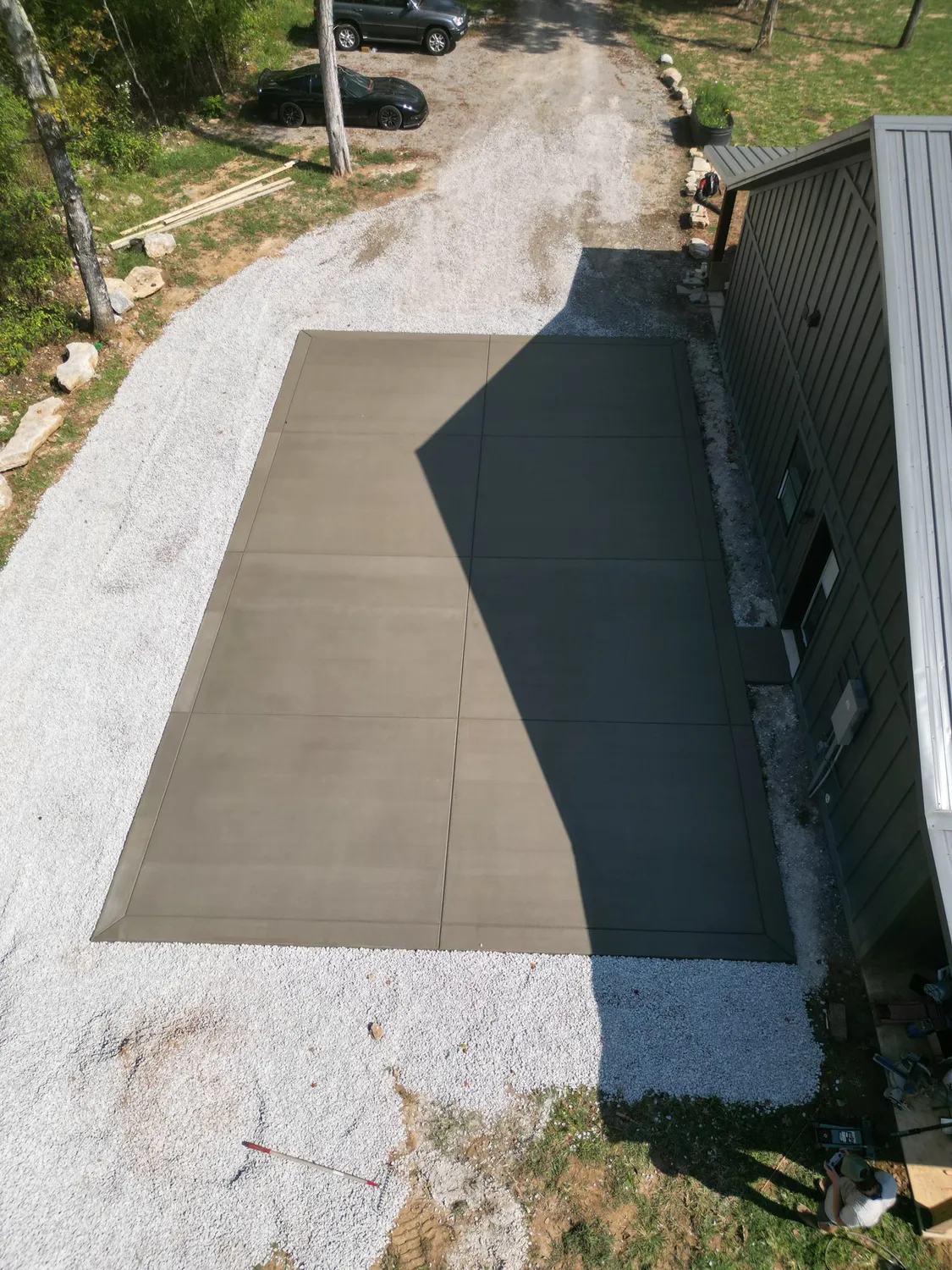
In Tennessee’s humid subtropical climate, your concrete driveway typically lasts between 25 to 50 years with proper maintenance. Temperature fluctuations, moisture, and freeze-thaw cycles contribute to cracking and deterioration if not properly managed. Regular sealing, crack repairs, and good drainage are essential to extend its lifespan. If you keep up with these strategies, you can maximize durability, but understanding how weather and materials impact longevity can help you plan ahead effectively.
Key Takeaways
- Tennessee’s humid subtropical climate, including humidity and rainfall, accelerates concrete deterioration, affecting lifespan.
- Proper installation and regular maintenance, like sealing every 2-3 years, can extend a driveway’s lifespan to 25-50 years.
- Freeze-thaw cycles and moisture exposure cause cracking and surface damage, reducing driveway durability over time.
- Adequate drainage and protective sealing help prevent water infiltration and weather-related deterioration.
- Early repairs of cracks and damage are essential to prolong the concrete driveway’s functional lifespan.
How Does Tennessee’s Climate Impact Concrete Driveways?
Tennessee’s humid subtropical climate considerably influences the durability of concrete driveways. Fluctuations in temperature and moisture levels can compromise soil stability, increasing the risk of settlement and cracking.
High humidity and rainfall accelerate the alkali silica reaction (ASR), a chemical process that causes concrete expansion and deterioration over time. Proper subgrade preparation and moisture control are essential to mitigate these effects.
You should regularly inspect for signs of soil movement or cracking, as these indicate potential issues stemming from climate-induced soil instability and ASR. Addressing these factors early helps prolong your driveway’s lifespan and maintains its structural integrity.
Typical Lifespan of a Concrete Driveway in Tennessee
The lifespan of a concrete driveway in Tennessee typically ranges from 25 to 30 years when properly constructed and maintained. Over time, driveway aesthetics can decline due to surface wear and staining, but regular sealing preserves appearance. Concrete coloring, whether through integral pigments or overlays, enhances visual appeal and can mitigate weathering effects. Proper drainage and crack repairs extend longevity by preventing water infiltration and structural damage. Consistent maintenance, including cleaning and sealing, ensures the driveway retains its functional integrity and aesthetic quality. Additionally, working with experienced concrete contractors can significantly influence the durability and lifespan of your driveway. Recognizing these factors helps you maximize your driveway’s lifespan despite Tennessee’s challenging weather conditions.
How Freeze-Thaw Cycles Affect Your Driveway’s Durability
Freeze-thaw cycles pose a significant threat to concrete driveways by causing expansion and contraction within the material. Repeated cycles induce internal stress, leading to surface cracking and potholes, which compromise durability.
To mitigate damage, effective sealing techniques are essential for pothole prevention, as they prevent water infiltration into the concrete’s pores. Proper sealing minimizes water ingress that expands when frozen, reducing the risk of surface deterioration.
Regular maintenance of sealants, especially after winter, ensures continued protection. Recognizing these effects allows you to implement targeted preventative measures, extending your driveway’s lifespan despite Tennessee’s seasonal freeze-thaw conditions.
The Role of Humidity and Rainfall in Concrete Deterioration
High humidity and frequent rainfall accelerate concrete deterioration by promoting water infiltration into the material’s pores. Humidity effects increase moisture content within the concrete, weakening its internal structure and facilitating chemical reactions that cause corrosion of reinforcement.
Rainfall impact compounds this process by continuously wetting and drying the surface, leading to surface erosion and scaling. Persistent moisture promotes the formation of freeze-thaw cycles and promotes alkali-silica reactions, both of which compromise concrete integrity.
In Tennessee’s climate, high humidity and regular rainfall markedly reduce driveway lifespan by accelerating these deterioration mechanisms, emphasizing the need for proper sealing and protective measures to mitigate humidity effects and rainfall impact.
Tips for Proper Maintenance to Extend Your Driveway’s Life
Regularly inspecting your driveway allows you to identify and address minor issues before they escalate into major damage.
Use sealing techniques to prevent water infiltration and reduce surface permeability, which is crucial in Tennessee’s fluctuating climate. Reapply sealant every 2-3 years for maximum protection.
Consider decorative finishes, such as stamped or colored overlays, to enhance durability and aesthetic appeal.
Proper cleaning removes debris that can harbor moisture and cause deterioration.
Promptly repair cracks and chips to prevent expansion.
Consistent maintenance through sealing techniques and decorative finishes extends your driveway’s lifespan by minimizing freeze-thaw cycles and weather-related stress, ensuring long-term structural integrity.
Signs Your Tennessee Concrete Driveway Needs Repairs
Identifying the early signs of damage in your Tennessee concrete driveway is essential for timely repairs and maintaining its structural integrity. Look for surface cracks, especially those that expand over time, which can indicate underlying issues.
Spalling or flaking concrete suggests degradation, often accelerated by weather cycles. Discoloration or uneven patches may signal moisture infiltration or failed concrete sealing.
For aesthetic concerns, decorative overlays can restore appearance, but underlying damage must be addressed first. Promptly repairing cracks and considering concrete sealing prolongs driveway lifespan, preventing further deterioration.
Regular inspections are crucial to catch issues early and maintain your driveway’s durability against Tennessee’s variable climate.
Best Materials and Techniques for Tennessee’s Weather
Choosing the right materials and techniques is vital for guaranteeing your Tennessee driveway withstands the state’s diverse weather conditions.
Opt for high-strength concrete with air-entrainment properties to enhance freeze-thaw durability.
Incorporate color options, such as integral pigments, to improve aesthetic resilience against UV exposure.
Use fiber reinforcement to prevent cracking, especially in temperature fluctuations.
Decorative finishes, like stamped or brushed textures, add visual appeal while providing traction.
Proper curing methods and a well-placed control joint system are essential for minimizing stress and cracking.
Selecting these materials and techniques ensures longevity, maintaining both functionality and curb appeal amid Tennessee’s varying climate.
How to Prepare Your Driveway for Tennessee Winters
Preparing your driveway for Tennessee winters requires proactive measures to prevent damage from freezing temperatures and moisture infiltration. Begin with thorough driveway sealing to create a waterproof barrier, reducing freeze-thaw cycle stress.
Inspect for cracks and repair them promptly, as water ingress can worsen deterioration. Consider applying decorative overlays, which can add a protective layer and enhance aesthetics while providing durability against winter conditions.
Guarantee proper drainage around the driveway to avoid pooling water. Regular maintenance, including clearing snow and ice promptly, minimizes surface stress.
These steps help extend your driveway’s lifespan and maintain its structural integrity through Tennessee’s harsh winter months.
Choosing a Professional: What to Look for in Tennessee Contractors
Selecting the right contractor guarantees your driveway repairs and installations withstand Tennessee’s weather conditions. Look for licensed professionals with proven experience in concrete work, especially in harsh climates. Verify their portfolio for projects with decorative finishes and custom designs, ensuring they understand aesthetic and durability requirements.
Prioritize contractors who avoid generic DIY projects, opting instead for precise, code-compliant methods. Request detailed estimates, including material specifications and weather-resistant sealants. Check references and reviews for reliability and quality.
A qualified contractor uses high-grade materials suited for Tennessee’s temperature fluctuations, providing long-lasting results. Proper selection minimizes future repair needs and maximizes driveway lifespan.
Conclusion
Understanding Tennessee’s climate is essential for maximizing your concrete driveway’s lifespan. Proper installation, high-quality materials, and routine maintenance can mitigate weather-related deterioration. Regular inspections and timely repairs help prevent costly damages caused by freeze-thaw cycles, humidity, and rainfall. By following best practices and working with experienced contractors, you can ensure your driveway remains durable and functional even in Tennessee’s challenging weather conditions. Proper care extends its service life, offering long-term value and safety for your property. To learn more, contact Providence Concrete by calling us today at (615) 956-9461 or visit us online at [Providence Concrete](https://providenceconcretetn.com/).