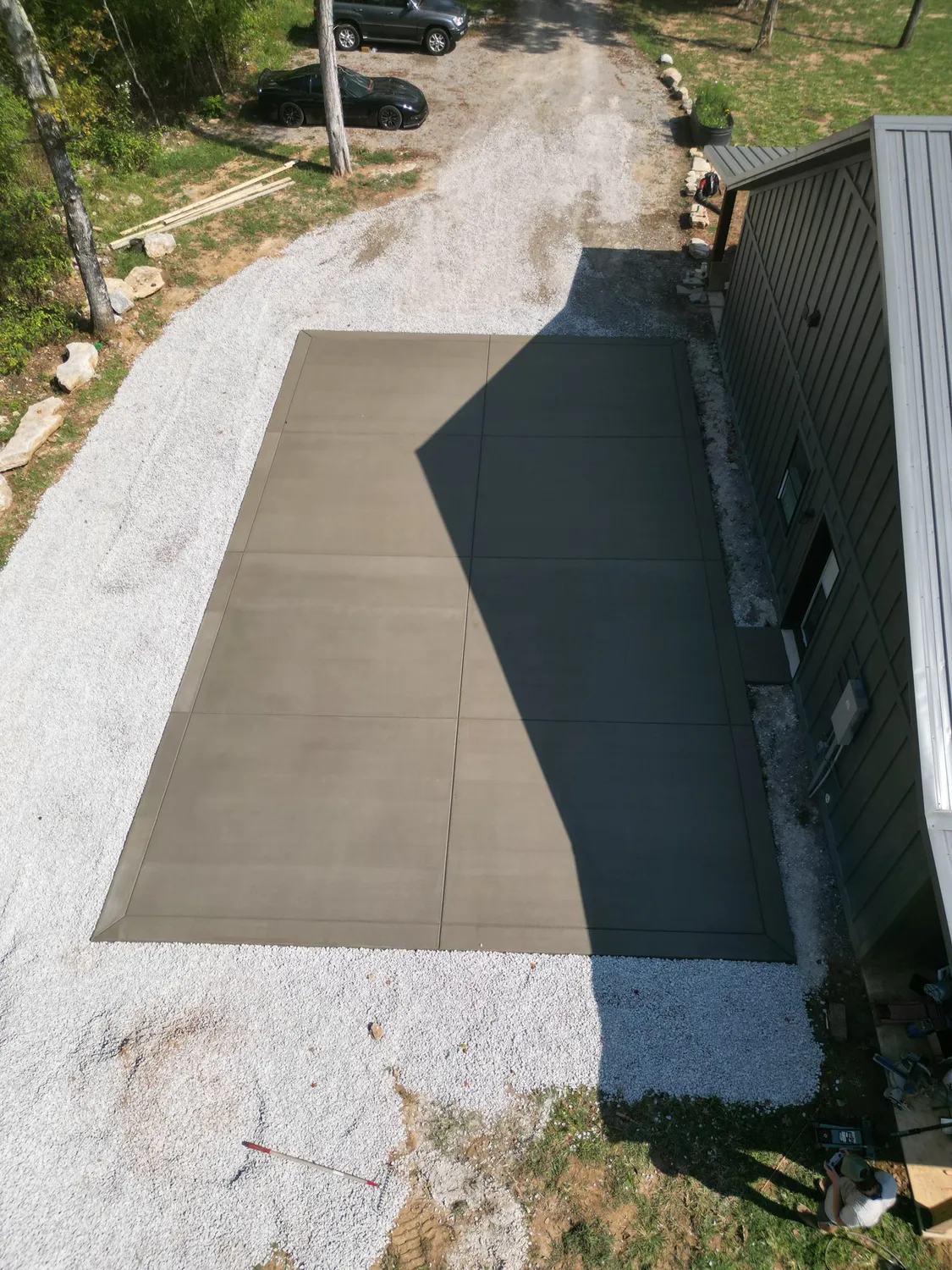
Weather markedly impacts concrete installation in Tennessee by affecting curing, strength development, and durability. Cold temperatures require insulation or heating to maintain proper curing conditions, while hot, dry weather demands moisture retention strategies to prevent cracking. High humidity and precipitation can lead to inconsistent setting and surface issues if not properly managed. Monitoring weather conditions and adjusting practices accordingly is essential. Keep exploring to discover effective techniques for optimizing concrete performance amidst Tennessee’s seasonal variations.
Key Takeaways
- Seasonal temperature fluctuations affect hydration rates, setting times, and long-term concrete strength.
- High humidity can prolong curing and cause internal moisture issues, impacting durability.
- Cold weather requires insulation and heated enclosures to prevent freezing and cracking during winter.
- Precipitation risks necessitate protective coverings to maintain concrete integrity during rainy conditions.
- Hot, dry weather demands moisture retention strategies to prevent cracking and ensure proper curing.
How Temperature Affects Concrete Curing in Tennessee
Temperature plays a critical role in the concrete curing process in Tennessee, where seasonal variations can profoundly influence strength development and durability. Temperature fluctuations directly impact hydration rates and setting times, making consistent curing essential.
To mitigate adverse effects, you should implement concrete insulation measures that help maintain stable internal temperatures, especially during colder months. Proper insulation minimizes rapid temperature changes, ensuring continuous hydration and preventing cracking or incomplete curing.
Monitoring ambient temperatures and adjusting curing strategies accordingly is essential. By controlling temperature exposure through insulation, you optimize concrete strength, durability, and long-term performance in Tennessee’s variable climate.
The Role of Humidity and Its Impact on Concrete Strength
Humidity levels profoundly influence concrete strength development, as they directly affect the rate of moisture loss during curing. Proper humidity control maintains ideal moisture content within the concrete, preventing excessive drying or saturation. Additionally, concrete craftsmanship benefits from consistent humidity levels, ensuring the quality of the finished product. Low humidity accelerates moisture evaporation, leading to incomplete hydration and reduced compressive strength. Conversely, high humidity can prolong curing time and risk internal moisture retention, potentially causing weaknesses. Precise humidity management guarantees consistent moisture content, facilitating proper cement hydration. This balance is essential for achieving desired strength and durability in Tennessee’s variable climate, emphasizing the significance of monitoring ambient humidity and adjusting curing practices accordingly.
Managing Precipitation Risks During Installation
Precipitation during concrete installation poses a significant risk to the integrity and durability of the finished structure. To guarantee proper precipitation mitigation, you must monitor weather forecasts closely and implement protective measures such as tarps, enclosures, or temporary covering systems.
These techniques help prevent excess water from infiltrating the mix, which can compromise setting and curing processes. Proactively managing precipitation reduces the likelihood of weather-related delays that could extend project timelines and increase costs.
Precise scheduling, combined with real-time weather data, allows you to adapt your operations swiftly, maintaining the quality of the pour and ensuring long-term structural stability.
Best Practices for Pouring Concrete in Extreme Weather Conditions
Effective concrete pouring under extreme weather conditions requires meticulous planning and adherence to specific best practices. Temperature fluctuations demand continuous monitoring to prevent rapid setting or thermal cracking; consider using insulated blankets or heated enclosures.
Wind effects accelerate moisture loss and can cause surface drying cracks, so installing windbreaks or applying curing compounds is essential. Always schedule pours during stable weather periods, and adjust mix designs to account for temperature changes.
Precise control of ambient conditions minimizes risks associated with extreme weather, ensuring ideal curing and durability. Properly managing these factors results in a high-quality pour despite challenging weather, safeguarding the structural integrity of your project.
Seasonal Considerations for Concrete Work in Tennessee
Understanding Tennessee’s seasonal climate variations is essential for maximizing concrete work throughout the year. Temperature fluctuations and humidity levels directly influence concrete curing, impacting both aesthetics and durability.
During colder months, you should use insulating methods to maintain proper curing temperatures, preserving concrete aesthetics and reducing environmental impact through efficient resource use.
Conversely, hot, dry conditions require moisture retention strategies to prevent cracking and surface degradation, supporting environmental sustainability.
Adjusting mix designs seasonally ensures ideal strength and appearance. Proper planning enhances concrete’s visual appeal and longevity while minimizing resource waste, making seasonal considerations crucial for sustainable, aesthetically pleasing concrete installations across Tennessee.
Troubleshooting Common Weather-Related Concrete Issues
Weather-related conditions can cause specific issues during concrete placement and curing, making troubleshooting essential for quality outcomes. Excessive moisture or rapid drying can lead to inconsistent concrete color, resulting in uneven pigmentation.
Cold or windy conditions hinder proper surface finish, creating surface imperfections or rough textures. To address these issues, adapt curing methods—use curing blankets in cold weather or windbreaks in windy conditions.
Properly controlling moisture levels during curing ensures uniform color and a smooth surface finish. Monitoring environmental conditions closely allows you to implement timely measures, preventing weather-related defects and achieving durable, aesthetically consistent concrete.
Conclusion
Understanding how Tennessee’s weather influences concrete installation is essential for achieving ideal results. By monitoring temperature, humidity, and precipitation, you can implement appropriate curing methods and scheduling strategies. Adhering to best practices during extreme conditions helps prevent common issues like cracking or weak bonds. Staying proactive ensures your project maintains structural integrity and longevity. Ultimately, adapting your approach to seasonal and weather variations maximizes concrete performance and durability in Tennessee’s diverse climate. To learn more, contact Providence Concrete by calling us today at (615) 956-9461 or visit us online at [Providence Concrete](https://providenceconcretetn.com/).